

When you make a call using your mobile the phone sends a digital signal at a frequency in the region of 1000 MHz, this is in the microwave region of the electromagnetic spectrum. A local transmitting/receiving station receives this call via a selected frequency and reroutes via other stations, if needed, to the receiving phone.
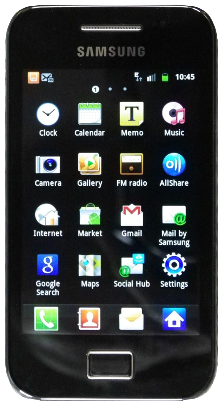
The country is divided
into cells with each cell containing one "relay" station. In regions where the phone traffic is
high more cells are needed in a given area. In cities one station covers around 2 km whereas
in the country this may extend to over 25 km. You will probably have seen some of these
relay stations springing up all over the place if you travel around the country. The size of the
cell (hence the name cellular phones) also depends on the frequency of that particular band.
Higher frequencies do not travel so far without distortion and so the cells are smaller.
A mobile phone is really just a low powered radio which is why you need so many
of the relay stations and cells to cover the country.
I tried to make a call using my
mobile while coming home across the channel from France last summer. Although there are
plenty of stations on either side of the channel in France and England I was out of range of
all of them and so could not make the call.
Virtually all mobile phones today can take pictures as well as receive messages. These are a combination of a mobile phone and a digital camera. A digital picture is transmitted as well as the audio signal. Photos from mobile phones have been of great help in reporting both good and bad news events.
Mobile phones can be really useful but always think about other people when using your mobile! Talk quietly and always switch it off when you are somewhere where an incoming call might upset people near you. I have been at a concert where the music was spoiled by someone's phone going off. Many people use mobile phones to send text messages instead of talking – texting is much less of a nuisance than using your voice.
There has been a lot of public concern about the dangers of microwave radiation to your brain when using a mobile phone but at present there has not been any firm conclusions. However I do know people who use text messages rather than holding the phone up close to their heads when making a call. The wavelengths of microwaves used to transmit information using a mobile phone is normally just under 30 cm compared with the 12 cm used in microwave ovens. The shorter wavelength means a higher energy and so more damaging to human tissue.